Showing posts with label Thrillers. Show all posts
Showing posts with label Thrillers. Show all posts
Wednesday, December 21, 2016

Tuesday, November 22, 2016
The Chase (2016)
This was a mini project done to portray the conventions of Thriller sub-genres:
-Psychological
-Action
-Supernatural
-Spy/espionage
-crime
-Film Noire
For this one, we focussed mainly on Psychological and Supernatural thriller. We were paired up into groups of 3-4 people and my group included Ryu and Bing. Together we discussed our concepts. Bing suggested that the plot could be about a victim running from a ghost in an empty hallway and ends up dead.
Location:
We chose the English department corridor for our setting due to it's interior layout. The lockers create a feeling of depth which gives an effect of the victim running away from her fears in and endless path. Since it was filmed during lesson time, there were small amounts of people which created a very lonely atmosphere, something which is commonly used in Psychological thrillers . For example: the movie "scream" takes place in an isolated estate, surrounded by farmland. This setting is often used to create a sense of helplessness and fear towards the viewers.
To exploit the theme of Psychological Thriller, we deliberately chose to film the opening at a wall full of portraits. They can be used to symbolize the Main Character's inner feelings towards the audience and makes the atmosphere look quite eerie as they may also feel like they are being watched.
Lightning: Many of the scenes in this short film are shadow dominated to create various effects.
 1.Foreshadowing: In the very first scene, the MC is walking through a hallway engulfed by darkness which acts as a foreshadow to future events.
2. Anonymity: The ghost's face is not directly shown, giving a sense of curiosity to the audience as they want to see it's appearance.
3. Tension: Shadows are used to cover the paths giving a sense of isolation and helplessness

Cinematography: A wide selection of camera techniques were used to reflect the conventions of thriller movies including:
- POV (point of view) shots: Enables the audience to see from the character's perspectives making it more fun
- Track shots: Emphasizes on panic
- Shakey-Cam: This technique suggests tension and engages the audience the movie due to it's action-packed nature. It is often used in scenes involving escape.
- Establishing shot: Informs the audience of the CONTEXT and setting
- Eye-line match:
- Low angle: Shows the difference in power status
- Close up:
- Midshot:
(these are also referred to within the story board)
Editing: Filters were used in order to give the effect that the short took place right before a sunset, reflecting the conventions of thrillers that take place after opening hours or when everyone has left. Ryu then added sound effects such as the screaming and footsteps.
-Sound: Diegetic (heard by the characters): Footsteps, Screaming,
Non-diegetic (not in the film realm): the BGM,
-Glitch Green screen: At the very end of the short, Ryu used a screen glitch effect, which was edited in the program Adobe After Effect.

Characters: We also followed the conventions for the character's costumes. Usually in a supernatural thriller , the protagonist is dressed in a casual and neat way which gives an impression that they're average citizens, implying that events in a thriller can happen to anybody.
1. The Process
I drew up a story board for the short film's plot.


2. The "Alternate ending"
This was an unused plan that we produced but was ineffective practically. After the protagonist was killed, there was going to be a high angle shot of her lifeless corpse, tricking the audience that it's over but suddenly, the ghost's hand appears over her face as the camera starts shaking. The film then zooms out as the ghost makes a "you're next" gesture to the audience.
The Finished product
-Psychological
-Action
-Supernatural
-Spy/espionage
-crime
-Film Noire
For this one, we focussed mainly on Psychological and Supernatural thriller. We were paired up into groups of 3-4 people and my group included Ryu and Bing. Together we discussed our concepts. Bing suggested that the plot could be about a victim running from a ghost in an empty hallway and ends up dead.
Location:
We chose the English department corridor for our setting due to it's interior layout. The lockers create a feeling of depth which gives an effect of the victim running away from her fears in and endless path. Since it was filmed during lesson time, there were small amounts of people which created a very lonely atmosphere, something which is commonly used in Psychological thrillers . For example: the movie "scream" takes place in an isolated estate, surrounded by farmland. This setting is often used to create a sense of helplessness and fear towards the viewers.
To exploit the theme of Psychological Thriller, we deliberately chose to film the opening at a wall full of portraits. They can be used to symbolize the Main Character's inner feelings towards the audience and makes the atmosphere look quite eerie as they may also feel like they are being watched.
Lightning: Many of the scenes in this short film are shadow dominated to create various effects.
 1.Foreshadowing: In the very first scene, the MC is walking through a hallway engulfed by darkness which acts as a foreshadow to future events.
2. Anonymity: The ghost's face is not directly shown, giving a sense of curiosity to the audience as they want to see it's appearance.
3. Tension: Shadows are used to cover the paths giving a sense of isolation and helplessness

Cinematography: A wide selection of camera techniques were used to reflect the conventions of thriller movies including:
- POV (point of view) shots: Enables the audience to see from the character's perspectives making it more fun
- Track shots: Emphasizes on panic
- Shakey-Cam: This technique suggests tension and engages the audience the movie due to it's action-packed nature. It is often used in scenes involving escape.
- Establishing shot: Informs the audience of the CONTEXT and setting
- Eye-line match:
- Low angle: Shows the difference in power status
- Close up:
- Midshot:
(these are also referred to within the story board)
Editing: Filters were used in order to give the effect that the short took place right before a sunset, reflecting the conventions of thrillers that take place after opening hours or when everyone has left. Ryu then added sound effects such as the screaming and footsteps.
-Sound: Diegetic (heard by the characters): Footsteps, Screaming,
Non-diegetic (not in the film realm): the BGM,
-Glitch Green screen: At the very end of the short, Ryu used a screen glitch effect, which was edited in the program Adobe After Effect.

Characters: We also followed the conventions for the character's costumes. Usually in a supernatural thriller , the protagonist is dressed in a casual and neat way which gives an impression that they're average citizens, implying that events in a thriller can happen to anybody.
The Ghost/ antagonist completely contrasts this with a more untidy fashion. Entitled to the role of the ghost, I deliberately covered my face with hair to give the short film a more menacing feeling. This also gives the antagonist a sense of anonymity and imbues the audience with curiosity. Furthermore, the antagonist wears more worn out and untidy fashion which makes them standout and become more easily identifiable.
1. The Process
I drew up a story board for the short film's plot.


2. The "Alternate ending"
This was an unused plan that we produced but was ineffective practically. After the protagonist was killed, there was going to be a high angle shot of her lifeless corpse, tricking the audience that it's over but suddenly, the ghost's hand appears over her face as the camera starts shaking. The film then zooms out as the ghost makes a "you're next" gesture to the audience.
The Finished product
Sunday, November 20, 2016
The Conventional Credits of a thriller
The credits of a film are usually presented in a very specific order.
1. The film company's and studio's names
2. Main stars/actors of the film
3. The Movie's title
4. Co-stars
5. Casting Director
6. Costume Designer
7. Music Director
8. Film Editors
9. Production Designer
10. Director of photography (people responsible for cinematography)
11. Film Producers
12. Film Writer(s)
12. The Director
Thursday, November 17, 2016
The Conventions of a Thriller
What is a Thriller?
A Thriller film genre well known for it's excitement-filled plot.
Narrative

Thrillers usually begin calmly with typical events such as family gatherings, dates etc.
Something then occurs to trigger the spark in tension. This 'Something" is usually disruptive to the equilibrium as said in Todorov's Theory (death, murder, assassinations, attacks).
-For example in the movie Zodiac (2007), we see a couple out on their date on the 4th of July. The atmosphere then changes when the Zodiac Killer makes his appearance.
-In some cases, this "tension" fluctuates. In the 1979 film "Alien" the first tense moment is when the Face hugger attaches itself onto Kane. This then lessens when the audience finds out that they are able to remove it from him and that he remains almost unharmed. After a happy event where the crew are having their dinner, the alien unexpectedly reappears, bursting from Kane's chest. Prior to that Kane nauseates to the point where his crew has to hold him down.
The tension then increases, accompanied by other devastating events (further deaths, more chaos...) reaching a climax. The protagonist(s) must deal with this disruption either to cease it or give in.
Characters
Protagonists

Antagonists

Themes
Psychological
Political: -Ideological clashes: Bridge of spies is set during the Cold War, a battle between 2 ideas
-Laddaland is about a father's financial struggle under the capitalist system, forcing him to move to the countryside and live in a haunted village
Crime: This can range from murders to terrorist attacks, which the plot will revolve around. Examples include Zodiac (2007) and London has fallen (2016)
Societal fears such as: -Terrorism
-Non-Human organisms
-A.I domination
-War
-Other threats to the human race such as GLOBAL WARMING (represented in 2012)
The Future: Children of Men is about the human's race's extinction and takes place in 2027.
This theme has diverse results since no one is certain about the future, film writers are at their freewill to dictate the plot.
-Isolated places
-Mansions
-Abandoned property
-Urban areas
-Sacred places
-Schools
-Dark places
-Lakes/The ocean
-The appearance of the antagonist in the film: -Not directly revealed. In Zodiac, we do not see the Zodiac Killer's face at the very beginning. This is often done to create tension as the plot revolves on finding out his true identity.
-Accompanied either by loud music or silence
-Diegetic sounds of breathing
-Music: -used to convey the characters emotions or sometimes inner feelings.
-creates the atmosphere and mood of a scene. EG: fast and loud music is used in tense scenes such as approaching the antagonist to add further tension.
-Jump scares which are made to appear unexpectedly when the audience thinks nothing will happen.

-Close-ups: -to show significant props eg: the watch in Zodiac
-To convey the emotions of the characters more thoroughly
 -Track-shots : Conveys Panic in a POV that the audience can empathise with.
-Canted Angles: -Emphasizes on the violence in the scene and gives it a dramatic effect .
-High amounts of camera shots used per scene:
In the action/thriller movie Taken 3, there are 15 shots of the protagonist (Liam Neeson) climbing over a fence.
-Dramatic usage of hi-lights and shadows
 For effects such as:
-symbolism
-tension
-creating an unsafe atmosphere
-"Jump cuts": making an unexpected switch from 1 scene to another. a.k.a not revealing every piece of information.
This creates suspense, tension and maintains the audience's curiosity throughout the film.
A Thriller film genre well known for it's excitement-filled plot.
Narrative

Thrillers usually begin calmly with typical events such as family gatherings, dates etc.
Something then occurs to trigger the spark in tension. This 'Something" is usually disruptive to the equilibrium as said in Todorov's Theory (death, murder, assassinations, attacks).
-For example in the movie Zodiac (2007), we see a couple out on their date on the 4th of July. The atmosphere then changes when the Zodiac Killer makes his appearance.
-In some cases, this "tension" fluctuates. In the 1979 film "Alien" the first tense moment is when the Face hugger attaches itself onto Kane. This then lessens when the audience finds out that they are able to remove it from him and that he remains almost unharmed. After a happy event where the crew are having their dinner, the alien unexpectedly reappears, bursting from Kane's chest. Prior to that Kane nauseates to the point where his crew has to hold him down.
The tension then increases, accompanied by other devastating events (further deaths, more chaos...) reaching a climax. The protagonist(s) must deal with this disruption either to cease it or give in.
Characters
Protagonists
Antagonists
Themes
Psychological
Political: -Ideological clashes: Bridge of spies is set during the Cold War, a battle between 2 ideas
-Laddaland is about a father's financial struggle under the capitalist system, forcing him to move to the countryside and live in a haunted village
Crime: This can range from murders to terrorist attacks, which the plot will revolve around. Examples include Zodiac (2007) and London has fallen (2016)
Societal fears such as: -Terrorism
-Non-Human organisms
-A.I domination
-War
-Other threats to the human race such as GLOBAL WARMING (represented in 2012)
The Future: Children of Men is about the human's race's extinction and takes place in 2027.
This theme has diverse results since no one is certain about the future, film writers are at their freewill to dictate the plot.
Settings
 |
| This was the house used in the filming of the opening of "Scream". It is located next to fields of plantations emphasizing the feeling of being isolated and helpless. |
-Isolated places
-Mansions
-Abandoned property
-Urban areas
-Sacred places
-Schools
-Dark places
-Lakes/The ocean
Iconography
-The appearance of the antagonist in the film: -Not directly revealed. In Zodiac, we do not see the Zodiac Killer's face at the very beginning. This is often done to create tension as the plot revolves on finding out his true identity.
-Accompanied either by loud music or silence
-Diegetic sounds of breathing
-Music: -used to convey the characters emotions or sometimes inner feelings.
-creates the atmosphere and mood of a scene. EG: fast and loud music is used in tense scenes such as approaching the antagonist to add further tension.
-Jump scares which are made to appear unexpectedly when the audience thinks nothing will happen.

Filming techniques
-Close-ups: -to show significant props eg: the watch in Zodiac
-To convey the emotions of the characters more thoroughly
-Track-shots : Conveys Panic in a POV that the audience can empathise with.-Canted Angles: -Emphasizes on the violence in the scene and gives it a dramatic effect .
-High amounts of camera shots used per scene:
In the action/thriller movie Taken 3, there are 15 shots of the protagonist (Liam Neeson) climbing over a fence.
 For effects such as:
-symbolism
-tension
-creating an unsafe atmosphere
-"Jump cuts": making an unexpected switch from 1 scene to another. a.k.a not revealing every piece of information.
This creates suspense, tension and maintains the audience's curiosity throughout the film.
Wednesday, November 16, 2016
Why do we enjoy watching scary films?
1.Aristotle's (384-322 BC) theory of "Catharsis"
Catharsis is defined as: "the process of releasing, and thereby providing relief from, strong or repressed emotions."

We are drawn to watching these types of films because it releases our pent-up feelings of aggression. This also acts as a coping mechanism for us to deal with negative thoughts, by watching them.

2. Dolf "Roller coaster" Zillmann's EXCITATION TRANSFER THEORY!
An easy way to explain this theory would be a roller coaster ride. There's a gentle ascension and suddenly, you're in mid air!-that's the climatic part of a horror film, then you get off that ride alive.
 |
| A couple from the stock photo realm enjoying their day out. |
Here we see the Excitation Transfer theory in action:
1.The ride usually starts off gently like a plot of a horror film, nothing could possibly go wrong right?
2. There are then changes in pace/direction/dimension ie: the ride going upside down, which reflects the rising tension. Our level of adrenaline which is usually released in times of fear/anger increases too.
3. The ride comes to a smooth end which is also known as the "I'm alive" stage! The people go through a reassuring moment.
in short: By experiencing negative and scary imagery, we intensify positive feelings once the negative one is removed.
 eg: People will be happy if a very dislikable villain such as Prof. Umbridge from the Harry Potter series is defeated/killed.

3. Glen D Walters (PSYCHOLOGIST)

there are 3 primary factors of a horror movie:
 |
| In this scene of the Thai horror movie "Laddaland" the ghost is arranged in the background giving the audience a strong tension of fear. An unrestricted Narrative range is also used as the characters do not acknowledge the ghost's presence at this current moment. (we as the audience know more of the plot in this type of narrative) |
1.Tension and suspense: This is done by the use of Narrative, Micro-Elements and information manipulation.
2. Relevance: The fears which are exploited by the movie have to be relevant to the audience, convincing them to believe it.
eg: The fear of artificial intelligence and robots dominating human life is portrayed in the Terminator series.
3.Unrealism: The audience must be able to know that the films aren't real, allowing them to feel safe.
Real fears=Real consequences
Tuesday, November 15, 2016
Our fears and the films that portray them
Many films are made to reflect the fears that people have.
People's personal fears
-Spiders: Arachnophobia (1990)-Clowns: IT (1990)
-Capitalism:
-Child abuse: Chappie (2015)
-Declining Health (of oneself or others):
Societal fears:
-Immigration: The good lie, District 9
-Terrorism: London has fallen,
-Disorder: The Purge
-Environmental Crisis: Al Gore's "An inconvenient truth"
-Our safety: Contagion (2011)
-Dominance of A.I and Robots: Terminator (1984), Deus ex Machina
-Resource Scarcity: Mad Max, The book of Eli
-Financial Crisis eg: The Great Depression:Laddaland (2011)
The significant characters of some films are often used as metaphors for others too.
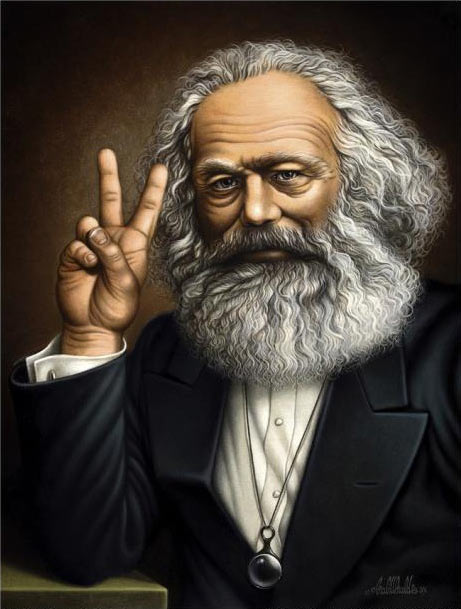 Dracula is a metaphor for the capitalist system. This is because he is a member of the middle-upper class who drains away the life of others, reflecting how capitalists drain away the health and wellbeing of their own workers. You could also say that he symbolizes the spread of STD's. When Dracula sucks one's blood they can become vampires, like him.
"Capital is dead labor, which, vampire-like, lives only by sucking living labor, and lives the more, the more labor it sucks." -Karl Marx
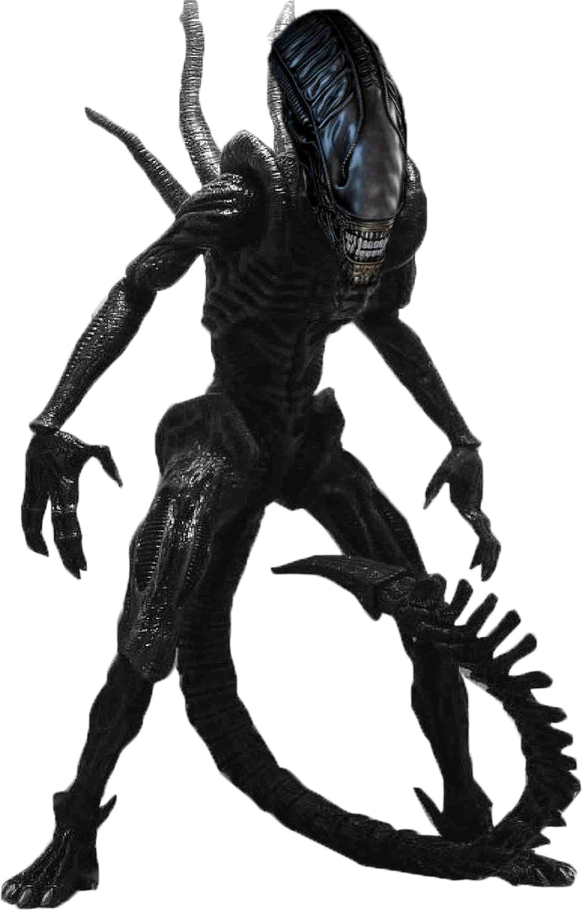
Xenomorphs from the movie Alien are made to ressemble phallic objects. The way that they reproduce is by implanting "face huggers" onto the hosts. From this, an infantile version of the specimen bursts out of the host's chest which kills them in the process. Later in AVP:Requiem, it changes to the method of releasing eggs directly into the host's body. This then emphasizes the fears of pregnancy by using the Alien's appearance and it's breeding characteristics.

Godzilla, a very iconic and well known character was made as a metaphor for the use of Nuclear weapons. Contextually, Godzilla was born because of the bombings of Hiroshima and Nagasaki in 1945 along with a H-bomb testing later. In the early films, he was painted as a destructive monster, reflecting the destructive nature of Nuclear Warfare.
Subscribe to:
Posts (Atom)